

Time to Talk
 February 06, 2026Posted by:
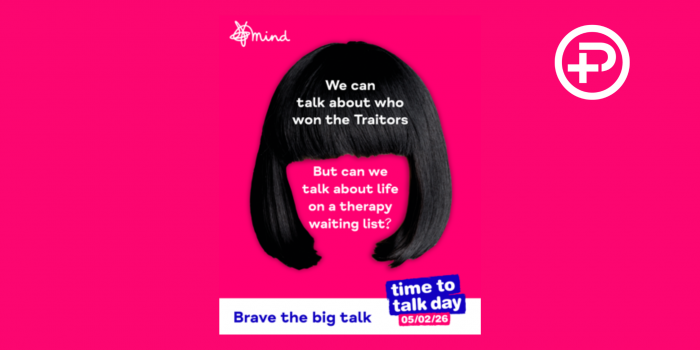
What if the conversation you hesitate to start is the one that helps someone get through the week?
Time to Talk Day, led by Mind annually, always gives me pause. This year it feels even more crucial to pause and take stock. As professionals, we’ve made real progress with how we talk about mental health generally, but many people still hold back when it gets personal. Not because they don’t care, but because they’re unsure how to begin. They worry about saying the wrong thing, being unprofessional, or opening something they can’t resolve.
Research supports this concern. Despite greater understanding, people are reporting feeling less comfortable talking about mental health than in previous years. That doesn’t surprise me. Silence is rarely indifference. More often, it’s uncertainty.
There’s still a belief that these conversations should sit only with professionals. Professional support matters deeply, but services are under strain and first appointment times uncertain. In that waiting space, what often makes the difference is much simpler: being noticed, being listened to, not being left alone with how things feel.
Across PeoplePlus UK, we see this every day. In employability services, prison education and community hubs, progress often starts with ordinary conversations, not dramatic interventions. Just moments that help people steady themselves, reconnect, and stay engaged.
Work can play a powerful role here. When it offers stability, dignity and understanding, it becomes protective.
That’s something Unipart, a member of the Social Recruitment Advocacy Group, has been intentionally building. When we shared a stage at the SRAG Summit last summer, we talked about the emotional load carried by people in frontline roles. More recently, I caught up with Claire B., Unipart’s Head of Health and Wellbeing, to hear how that work has developed.
What stood out was the focus on confidence rather than solutions. Encouraging colleagues to notice when something feels different, to ask, and to listen – without feeling responsible for fixing it. In 2025, 67% of their Mental Health First Aid conversations at Unipart were initiated by colleagues themselves. That’s a significant shift, and a hopeful one.
Claire was also clear about the tension this creates. Greater openness can bring frustration when professional support takes time to kick in. Rather than letting that stall progress, Unipart has responded by strengthening its systems: adapting its Employee Assistance Programme so colleagues speak directly to a counsellor from first contact and bringing in specialist clinical support to bridge gaps and help shape workplace adjustments while people wait.
That balance matters. Culture opens the door, but systems determine whether people feel safe walking through it.
Most of us recognise the hesitation before asking, “Are you okay?” We worry about getting it wrong. But empathy doesn’t require certainty. It requires presence.
If we can talk about deadlines and weekend plans, we can ask, “You’ve seemed a bit quieter lately - how are things?”
At PeoplePlus, this belief underpins our social value work and our involvement in SRAG: working alongside employers who want wellbeing and inclusion built into how work functions, not added on afterwards.
We won’t always get it right. But choosing not to look away matters. Connection is a decision. And sometimes, being there, especially when things feel uncertain, is enough.
At PeoplePlus, we are encouraging every colleague to make time for one meaningful conversation, to check in with someone, or to reach out if they need support themselves. We are creating space for those moments that matter, and we would love you to do the same. Take a pause, send that message, start that conversation.
Make your Time to Talk.
#TimeToTalkDay #TTTD #PeoplePlus
By Marina Cadman, Head of Wellbeing
February 06, 2026Posted by: